Highlighting Heather Cox Richardson's Insights on Today's Political Landscape
- Benjammin

- Apr 21
- 3 min read
The current political environment in the United States is complex and often confusing. Professor Heather Cox Richardson, a historian and political commentator, offers clear and thoughtful analysis that helps many understand the forces shaping democracy today. Her work sheds light on the ongoing struggles, the role of resistance movements, and the challenges democracy faces in a rapidly changing world.

Understanding the Current Political Climate Through Richardson's Lens
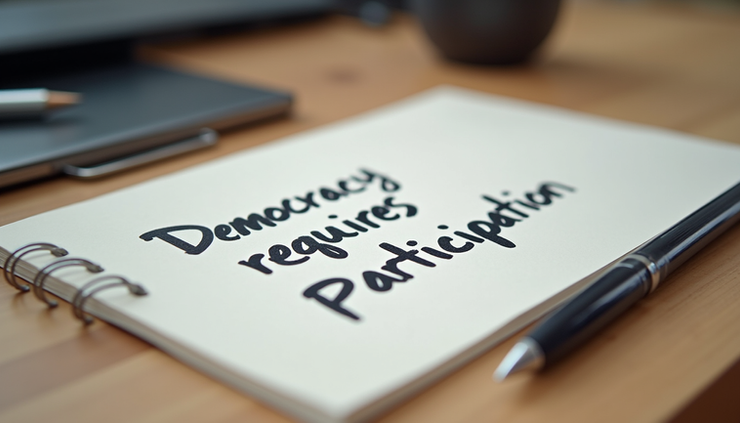
Heather Cox Richardson approaches politics with a historian’s perspective, tracing patterns and events that reveal deeper truths about the present. She emphasizes that democracy is not a static system but one that requires constant vigilance and participation. Her analysis often highlights how political resistance has played a crucial role in shaping American history and continues to do so today.
One key point Richardson makes is that democracy depends on informed citizens who actively engage with political processes. She warns against complacency and stresses the importance of recognizing threats to democratic institutions, such as misinformation and erosion of voting rights.

The Role of Resistance in Preserving Democracy
Resistance movements have been a recurring theme in Richardson’s commentary. She explains that resistance is not just opposition for its own sake but a necessary response to policies or actions that undermine democratic values. For example, grassroots activism against voter suppression laws or efforts to hold elected officials accountable are forms of resistance that strengthen democracy.
Richardson often points to historical examples where resistance led to significant political change. The civil rights movement, women’s suffrage, and labor rights campaigns all demonstrate how collective action can push democracy forward. Today’s resistance movements continue this tradition, advocating for fairness, transparency, and inclusion.

Richardson’s Analysis of Political Polarization and Media Influence
Heather Cox Richardson also explores how political polarization affects democracy. She notes that extreme divisions can weaken democratic norms by fostering distrust and reducing the willingness to compromise. Her analysis points out that media plays a significant role in this polarization, often amplifying conflict rather than promoting understanding.
She encourages readers to seek out reliable sources and to critically evaluate information. Richardson’s newsletters and writings serve as examples of clear, fact-based political analysis that cuts through noise and confusion. By doing so, she helps readers grasp the nuances of political events and the implications for democracy.
Practical Takeaways from Richardson’s Work
Stay informed: Follow trustworthy sources that provide clear, evidence-based analysis.
Engage in democracy: Vote, participate in community discussions, and support policies that protect democratic rights.
Support resistance efforts: Recognize the value of peaceful activism in defending democracy.
Question polarization: Look beyond partisan divides to understand the broader political context.
These steps reflect Richardson’s belief that democracy thrives when citizens are active and informed.
Final Thoughts on Heather Cox Richardson’s Insights
Heather Cox Richardson’s work serves as a vital reminder that democracy is a living project, not a guaranteed inheritance. By connecting the dots between our past and present, she illustrates that while the challenges of polarization and misinformation are significant, they are not insurmountable.
The core takeaway from her analysis is that the health of our republic depends on the active participation of its citizens. Whether through staying informed with reliable sources, engaging in local community discussions, or supporting peaceful resistance against the erosion of rights, every action counts. Ultimately, Richardson’s insights offer a roadmap for moving beyond division toward a more transparent, inclusive, and resilient democratic future.


Comments